Everything you need to know to keep your teak furniture beautiful for generations. From daily maintenance to seasonal rituals, consider this your definitive guide.
The World’s Finest Outdoor Wood
Teak (Tectona grandis) has earned its reputation as the gold standard for outdoor furniture over centuries of proven performance. From the decks of British Royal Navy ships to the terraces of the world’s finest resorts, teak endures where other woods fail.
What makes it exceptional is built into its very biology. Teak contains an unusually high concentration of natural oils and silica that act as a built-in protective barrier against moisture, insects, rot, and UV damage. Its low shrinkage rate means joints stay tight and surfaces stay flat through every season.
All Deck&Co furniture is crafted from Grade-A heartwood — the innermost section of mature teak trees aged 40 years or more. This is where oil and silica concentrations are highest, delivering a lifespan of 50 to 75+ years with minimal care.
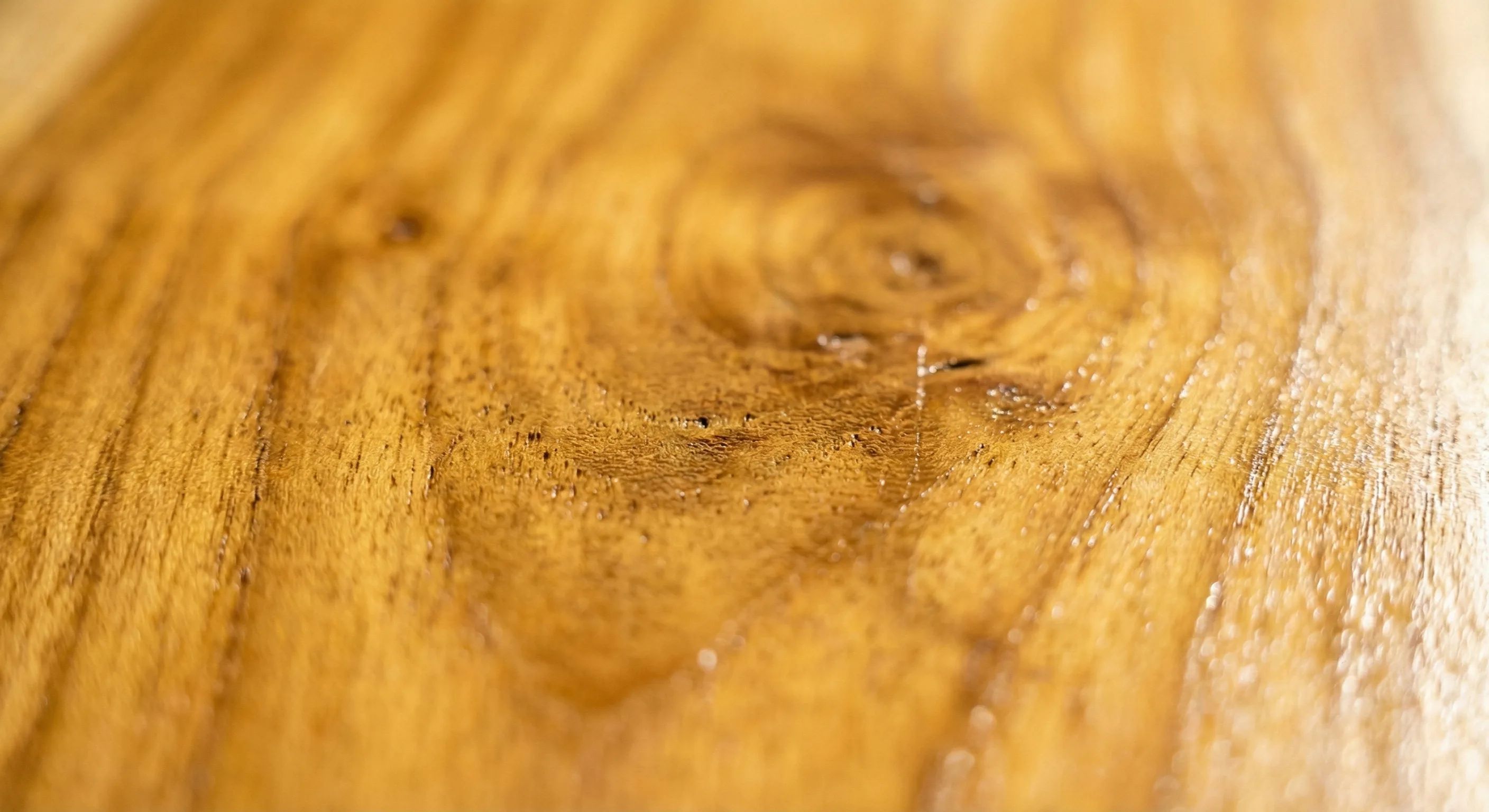
The Natural Transformation
Left untreated outdoors, teak undergoes a beautiful and completely natural surface transformation. This silvery patina is purely cosmetic — the wood’s strength and internal oils remain fully intact.
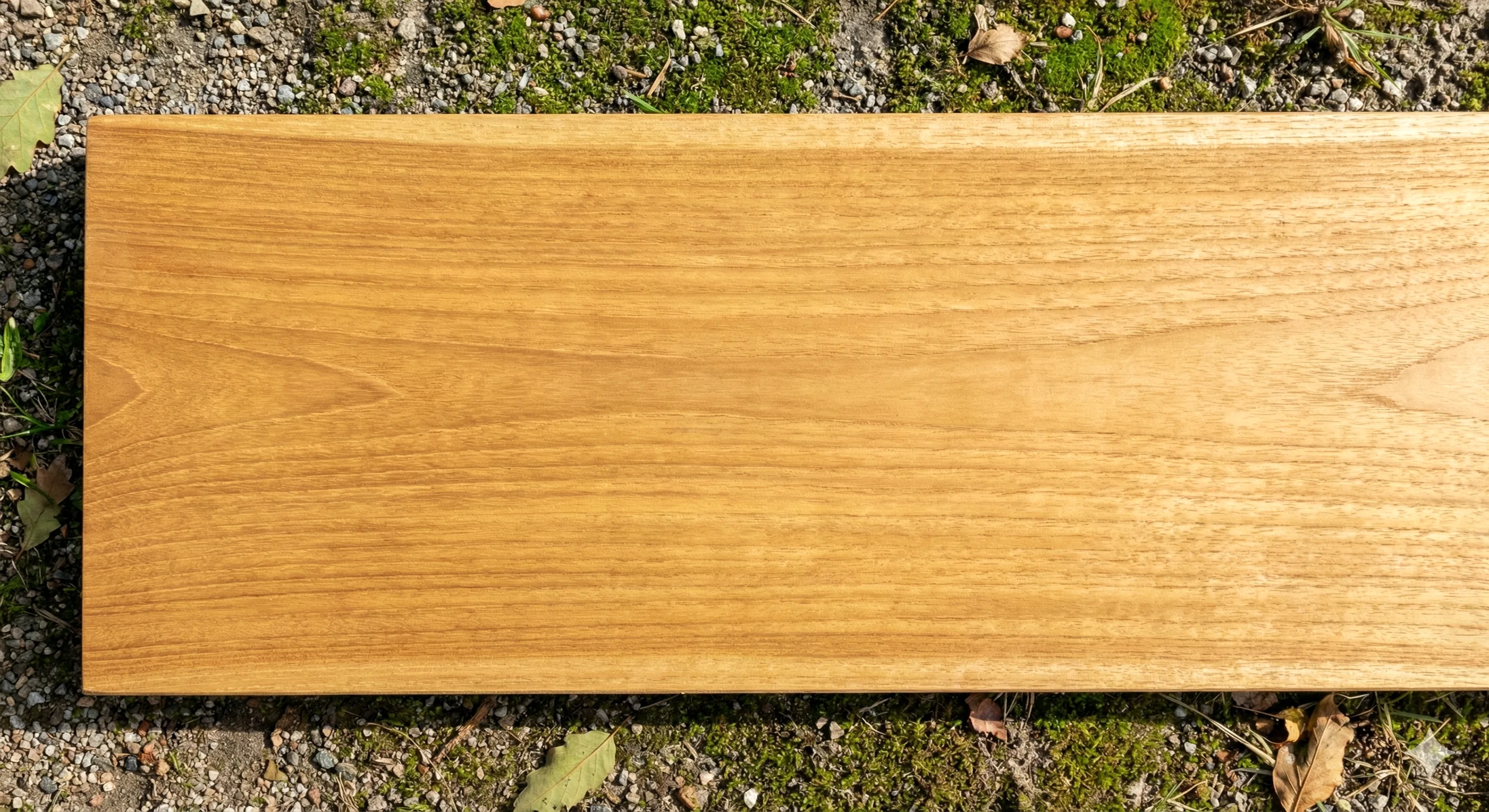
Week 1
Fresh from our workshop. Warm, rich golden-brown with a natural waxy sheen from the wood’s own oils.
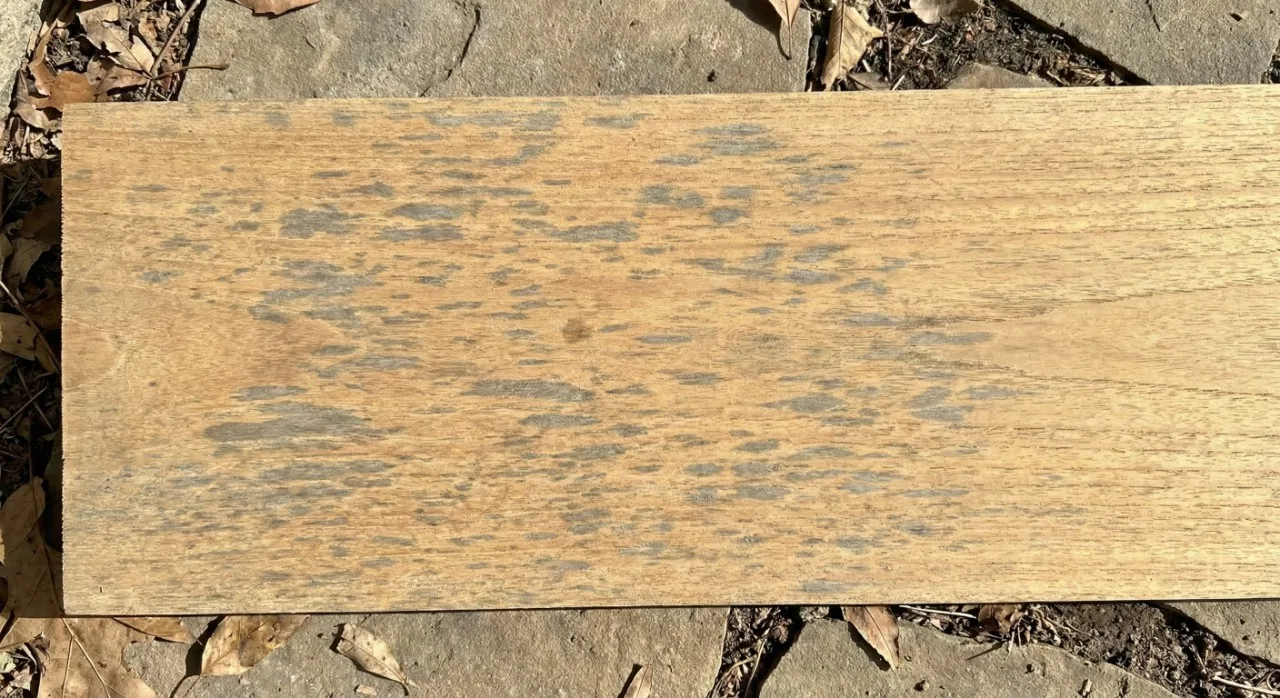
Month 3
The surface begins its transformation. Some areas lighten, others develop grey tones. This mottled phase is completely normal.
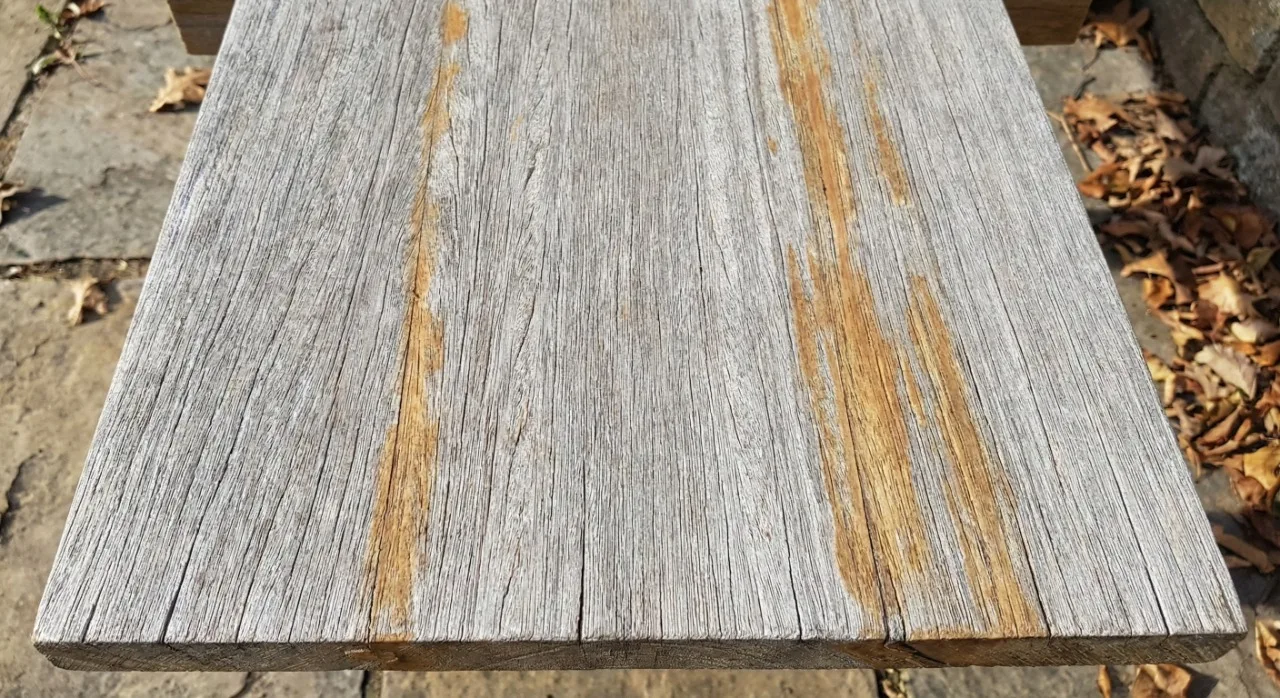
Month 9
UV exposure oxidizes surface lignin. The grey tone becomes more uniform and the famous silver patina begins to emerge.
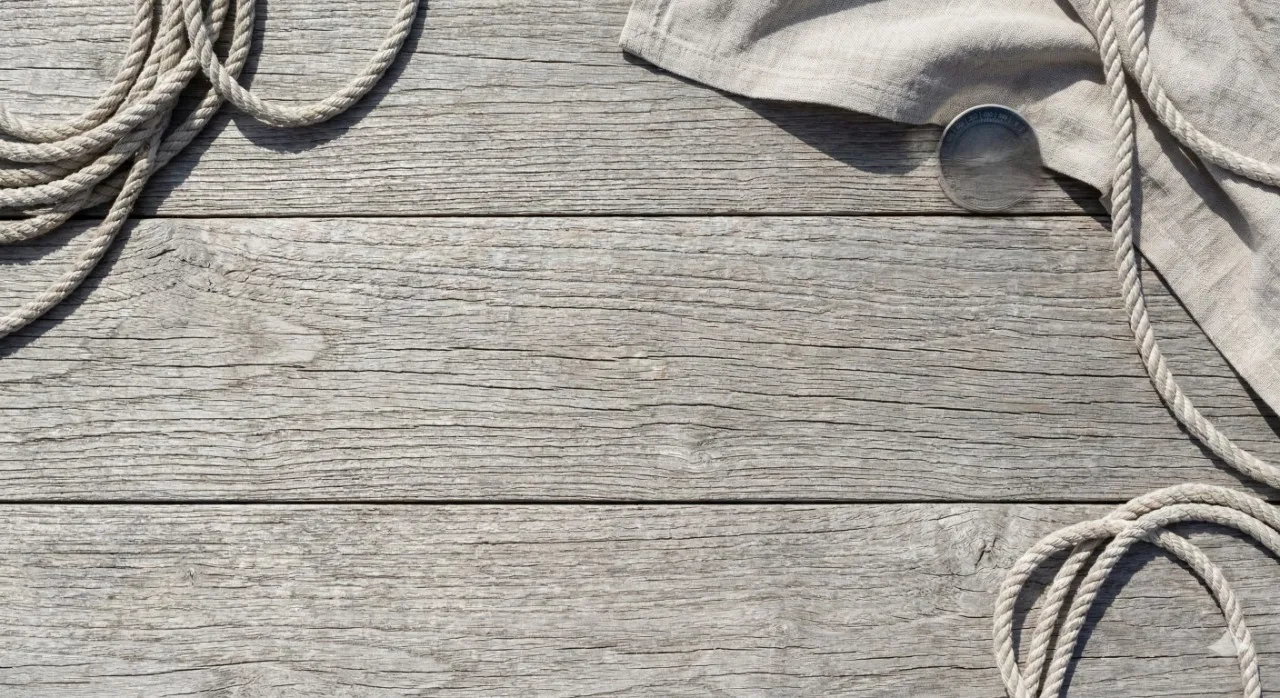
Year 2+
The signature look of heritage teak. A consistent, refined silver-grey that graces the world’s finest yachts and resorts.
Keeping It Beautiful
Every 2–4 weeks during the season. Removes surface dirt, pollen, and light grime before it accumulates.
Every 3–6 months or after extended neglect. Restores the honey tone and removes accumulated weathering.
Common in humid climates or shaded areas. Surface mold doesn’t damage teak — it sits on organic matter on the wood’s surface.
The Critical Distinction
This is where most owners make costly mistakes. Despite similar names, these products have fundamentally different effects on your furniture.
A blend of linseed, tung, or mineral oils with solvents. Despite the name, it’s not derived from teak and provides no lasting protection for outdoor furniture.
A penetrating finish with UV inhibitors and mildewcides. Slows the greying process while allowing the wood to breathe naturally. Apply 1–2 times per year.
Year-Round Care
Spot Treatment
Teak’s dense grain and natural oils make it more stain-resistant than most woods. But life happens. Here’s how to handle the most common culprits.
For any stain that resists cleaning, light sanding with 220–320 grit sandpaper in the grain direction is always an option. You’re removing such a thin layer that it can be done many times over the furniture’s lifespan.
For fresh spills, wipe immediately with a damp cloth — most food and drink cleans up easily when caught quickly. For dried food or sauce, dampen the area and let it sit for a few minutes, then scrub gently with a soft brush and mild soapy water, always working in the direction of the grain. Rinse and dry thoroughly.
Blot (never rub) immediately with a dry cloth. Mix one part white vinegar to two parts warm water, apply to the stain, and let sit for 5 minutes. Scrub gently with a soft brush, rinse, and dry. For stubborn wine stains, light sanding with 320-grit sandpaper in the grain direction will remove the discolored surface layer.
Sprinkle the stain with baking soda or cornstarch and let it sit for 15 to 30 minutes to absorb the oil. Brush off the powder and clean the area with a mild dish soap solution (dish soap is a natural degreaser). Scrub gently with a soft brush, rinse, and dry. For persistent marks, dab with a small amount of acetone, then clean with soapy water immediately.
These are typically surface-level mineral deposits from hard water. Light sanding with 320-grit sandpaper in the grain direction removes most water marks. Alternatively, apply a vinegar-water solution (1:2 ratio), let sit for 10 minutes, scrub gently, and rinse. A teak brightener product will also remove water marks as part of its overall surface renewal process.
Mix equal parts white vinegar and warm water in a spray bottle. Spray the affected areas, let sit for 10–15 minutes, then scrub with a soft-bristle brush. For persistent mold, mix ⅔ cup bleach with ⅓ cup powdered detergent in 4 litres of warm water. Apply, wait 10–15 minutes, scrub, and rinse very thoroughly. Address the root cause: improve air circulation and reduce shade if possible.
What to Avoid
High pressure erodes the softer grain, leaving a rough surface that traps dirt and accelerates weathering. Always use a garden hose and soft brush instead.
Despite the name, teak oil promotes mold, requires constant reapplication, and creates blotchy buildup. Use a teak sealer instead, or simply let it weather naturally.
Cross-grain sanding creates visible scratches that are nearly impossible to remove. Always sand in the direction of the wood grain with 220–320 grit.
This is the #1 cause of mold on outdoor teak. Always dry furniture completely before covering. Use breathable covers with ventilation — never plastic tarps.
Ammonia-based cleaners, abrasives, and undiluted bleach strip natural oils and damage the grain. Stick to dedicated teak cleaners or mild soap and water.
Planters, wet towels, and other items create moisture traps that lead to localized mold and uneven weathering. Use plant stands and remove wet items promptly.
At a Glance
| Task | Frequency | What You’ll Need |
|---|---|---|
| Routine cleaning | Every 2–4 weeks (in season) | Mild soap, soft brush, garden hose |
| Deep cleaning | Every 3–6 months | Teak cleaner + brightener |
| Sealer application | 1–2× per year | Teak sealer, foam brush or cloth |
| Hardware inspection | Start of each season | Wrench, silicone lubricant |
| Cushion cleaning | Monthly brush; full wash 2–3× | Mild detergent, soft brush |
| Light sanding | As needed | 220–320 grit sandpaper |
| Full inspection | Annually (spring) | Visual check: joints, cracks, hardware |
Questions About Teak Care?
Our team knows teak inside and out. Whether you need product recommendations, care advice, or help choosing the right furniture for your space, we’re just a call away.